Rocket propulsion systems are already pushed to their limits, but what happens when the combustion process itself becomes an uncontrolled detonation wave circulating thousands of times per second? This is the engineering challenge faced when developing rotating detonation rocket engines (RDREs), where extreme pressure, temperature, and stability constraints make conventional design and manufacturing approaches insufficient.
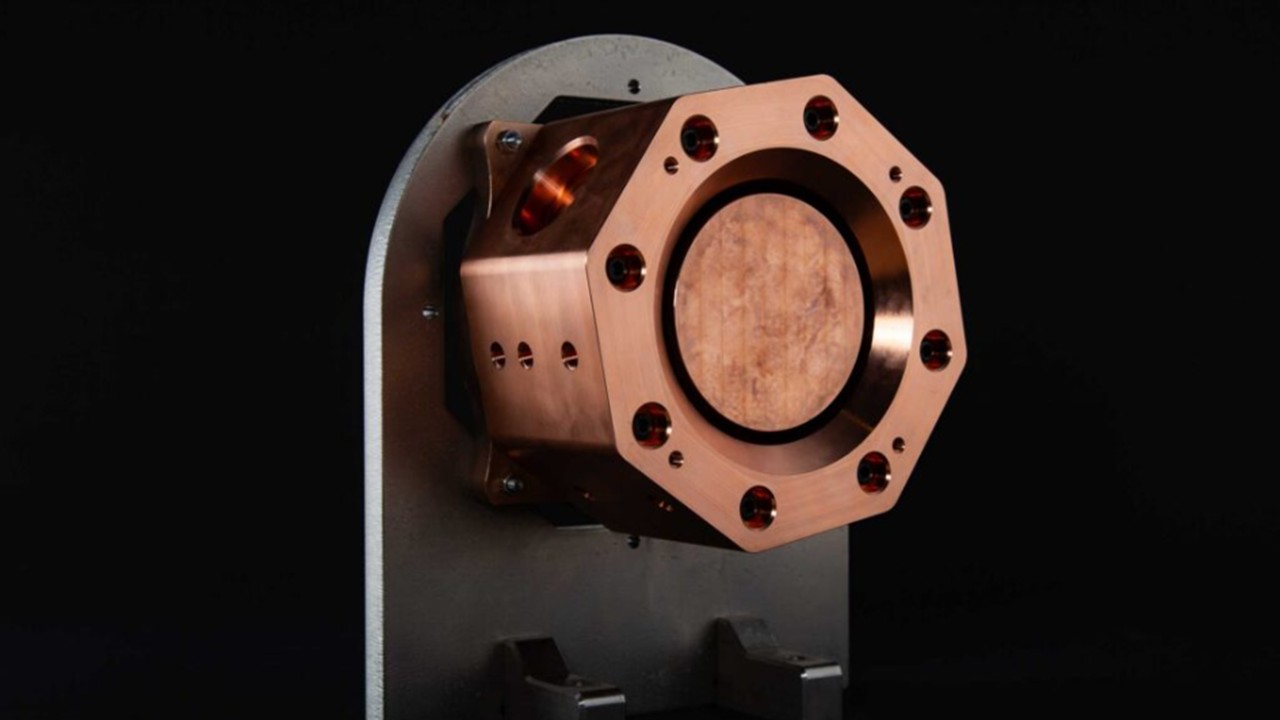
A student team at ETH Zurich set out to build a bi-liquid RDRE, a propulsion concept where fuel and oxidizer detonate continuously in a ring-shaped chamber rather than burn steadily. This configuration reduces component count and promises higher efficiency, with performance gains of around 10–20% compared to traditional engines using the same fuel mass. However, achieving a stable detonation requires precise control of fuel injection and geometry, particularly in the injector, the core component responsible for mixing propane and liquid oxygen within milliseconds.
Traditional manufacturing would struggle to produce the intricate internal channels and geometries needed to handle such conditions. Additive manufacturing, specifically metal laser powder bed fusion, enabled rapid prototyping of injector designs, allowing the team to iterate quickly from concept sketches to functional hardware. This iterative approach was essential, as each prototype revealed new constraints related to flow dynamics, thermal loads, and structural integrity.
The resulting engine successfully generated multiple sustained detonation waves during testing, proving both the feasibility of the design and the capability of additively manufactured components to withstand extreme operating conditions. By enabling integrated geometries and faster development cycles, AM directly contributed to solving one of the key bottlenecks in RDRE development: achieving stable and repeatable combustion under highly dynamic conditions.
Beyond the technical achievement, this project demonstrates how additive manufacturing accelerates experimental propulsion development. The ability to compress design cycles and test high-risk concepts lowers barriers to innovation and opens pathways for more compact, efficient rocket engines, with potential implications for reducing launch mass and improving payload capacity.